Choosing the right rotary cutter can make a small studio feel faster, safer, and much easier to keep organized. The best option depends on your hands, your workspace, and the materials you cut most often.
In this roundup, we focus on compact, practical rotary cutters for small studios that balance control, comfort, and precision without taking up unnecessary space.
Best 10 Rotary Cutters for Small Studios Picks for 2026
Compact Precision
Fiskars 28mm Stick Rotary Cutter

- 28mm blade for intricate curves and applique
- Ambidextrous symmetrical stick design
- Sliding blade guard for safer storage
Best For: Detail cutting, applique, and single-layer work in small studios
Mini Detail Cutter
OLFA 18mm Quick-Change Rotary Cutter

- 18mm stainless steel blade for accurate detail cutting
- Quick-change blade system for safer swaps
- Works for fabric, paper, and film
Best For: Tight corners, curved cuts, and small-scale sewing or craft projects
Versatile Mid-Size Cutter
Fiskars 45mm Stick Rotary Cutter

- 45mm blade for multiple layers of fabric and craft materials
- Ambidextrous stick handle with slide-lock control
- Built for sewing, arts, crafts, and quilting
Best For: Everyday studio cutting when you need one do-it-all rotary cutter
Ultra-Small Detail Tool
Tonic Studios Kushgrip 14mm Rotary Cutter
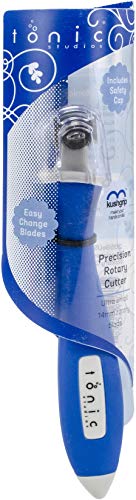
- 14mm blade for fine detailing and curved edges
- Comfort grip handle reduces fatigue
- Protective cap included for safe storage
Best For: Precision cutting, templates, and detail work in tight studio spaces
Precision All-Rounder
OLFA 45mm Quick-Change Rotary Cutter
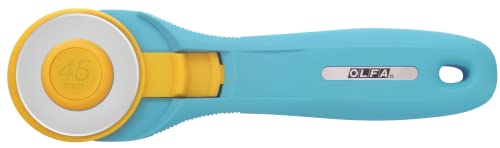
- 45mm tungsten blade for sharp, durable cutting
- Quick-change blade system for easier swaps
- Ergonomic handle with finger grooves
Best For: Everyday fabric cutting in a compact sewing space
Compact Detail Cutter
The Quilted Bear 18mm Fabric Rotary Cutter
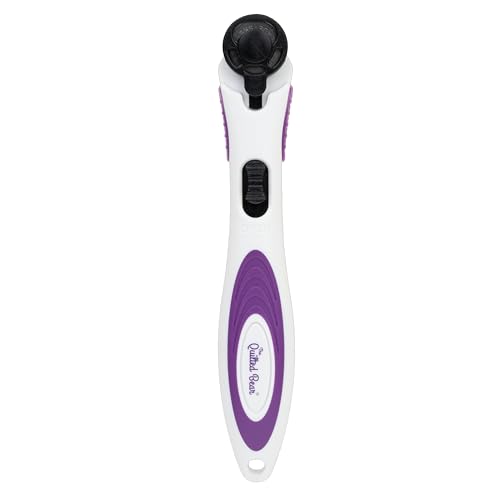
- 18mm blade supports precise fabric cutting
- Soft grip handle helps reduce hand strain
- Quick blade changes for smoother workflow
Best For: Small-space sewing and patchwork that needs control
Safety-Focused Pro Cutter
OLFA 45mm Ergonomic Squeeze-Handle Cutter
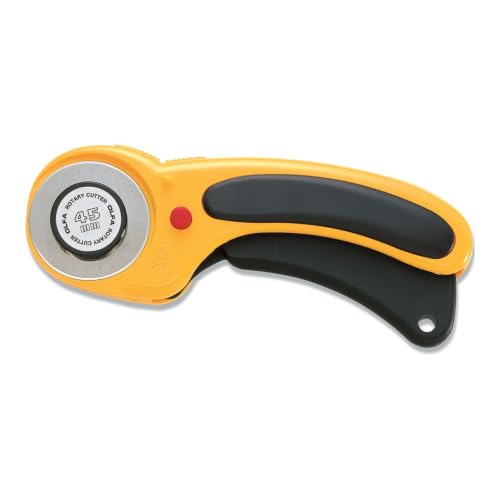
- Auto-retracting 45mm cutter with safety lock
- Squeeze handle and rubber grip reduce fatigue
- Endurance blade offers longer life
Best For: Frequent cutting where safety and comfort are priorities
Mini Portable Cutter
Tonic Studios 807 Mini Rotary Sharp Cutter

- Fold-away blade for safer storage and portability.
- Compact 18 mm size fits small work areas.
- Suited to everyday crafting and scrapbooking.
Best For: Small studios needing a compact, easy-to-store craft cutter.
Quilting Workhorse
Missouri Star Rotary Cutter 45mm

- 45 mm blade for quilting, sewing, and fabric trimming.
- Includes a translucent pouch for storage and travel.
- Ball-bearing screw design aims for smooth rolling.
Best For: Fabric crafters who want a full-size quilting cutter with storage.
Ambidextrous Fabric Cutter
Fiskars 45mm Loop Rotary Cutter

- Cuts multiple layers of fabric, felt, and vinyl.
- Loop handle improves grip and control.
- Blade setup works for right- and left-handed users.
Best For: Mixed-material makers who need a controllable, ambidextrous cutter.
Compact Precision – Fiskars 28mm Stick Rotary Cutter
If you want rotary cutters for small studios, this 28mm Fiskars model is built for detailed work rather than broad fabric runs. The smaller blade size is a strong fit for intricate curves, applique, and single layers of fabric, while the symmetrical stick design keeps it usable in either hand.
Best For: Intricate curves, patterns, applique, and single-layer cutting in a compact workspace.
Pros:
- 28mm premium steel blade is designed for intricate curves and patterns
- Symmetrical stick design works for right- and left-handed users
- Sliding button extends the blade guard when not in use
- Useful for thicker materials including batting, foams, and multiple layers
Cons:
- Small blade is less ideal for wide, fast cuts on large fabric pieces
- Blade is the main wear item despite the lifetime warranty on the tool
For detail-heavy sewing or craft tasks, this is a practical small-studio cutter that favors control and accuracy. It has the features you want most in a compact rotary cutter, with a simple design that stays comfortable for either hand.
Mini Detail Cutter – OLFA 18mm Quick-Change Rotary Cutter
Among rotary cutters for small studios, this 18mm OLFA stands out when your projects demand precision in tight spaces. It is built for fabric, paper, and film, and the quick-change blade system makes it easier to keep moving through detailed quilting, applique, and trimming tasks.
Best For: Small-scale projects that need sharp curves, tight corners, and easy blade changes.
Pros:
- 18mm blade is suited to detailed, accurate cutting
- Quick-change system makes blade replacement simple and safe
- Works for right- and left-handed users
- Built-in blade cover adds an extra layer of safety
Cons:
- Small blade is better for detail work than for long straight cuts
- Designed for small-scale projects, so it is not the fastest choice for heavy cutting
If you need a compact cutter for careful work around rulers, templates, and curved seams, this OLFA model is a smart pick. It focuses on precision and convenience, which makes it especially useful in space-conscious sewing and craft setups.
Versatile Mid-Size Cutter – Fiskars 45mm Stick Rotary Cutter
If your small studio needs one rotary cutter that can handle more than fine detail work, this 45mm Fiskars model is a strong all-around option. It is made for cutting multiple layers of fabric, felt, vinyl, and quilting materials, so it fits everyday sewing, craft, and cutting-mat workflows.
Best For: General-purpose fabric cutting, layered materials, and studio use where a fuller-size blade is helpful.
Pros:
- 45mm precision-ground blade handles multiple layers of material
- Works with fabric, felt, vinyl, and quilting materials
- Symmetrical handle supports right- and left-handed use
- Sliding button locks the blade in use and retracts for storage
Cons:
- Less specialized for tiny curves than smaller 18mm or 14mm cutters
- Blade is excluded from the lifetime warranty
This is the most versatile option in the group if you want one cutter that covers most studio tasks. It balances comfort, durability, and multi-layer cutting power without feeling overly specialized.
Ultra-Small Detail Tool – Tonic Studios Kushgrip 14mm Rotary Cutter
For rotary cutters for small studios, this 14mm Tonic Studios model is the most detail-focused choice here. Its ultra-small blade is designed for fine detailing, curved edges, templates, rulers, fabric, and cardstock, making it a good fit when precision matters more than speed.
Best For: Fine detailing, curved cuts, and careful template-based work.
Pros:
- 14mm blade is ideal for fine detailing and precision cuts
- Comfort grip handle helps reduce hand fatigue during longer projects
- Works for both right- and left-handed users
- Includes a protective cap for storage and blade safety
Cons:
- Very small blade is not intended for fast, broad cutting
- Best suited to detailed work rather than heavy multi-layer jobs
This mini rotary cutter makes sense when your studio work centers on accuracy and control. It is especially appealing for small craft spaces where you want a lightweight tool that can stay comfortable during longer, detail-heavy sessions.
Precision All-Rounder – OLFA 45mm Quick-Change Rotary Cutter
If you’re comparing rotary cutters for small studios, this OLFA 45mm model is a practical all-purpose pick. Its tungsten steel blade is made for sharp, clean cuts, and the 45mm size handles a wide range of craft materials while still staying manageable on a compact worktable.
Best For: Crafters and quilters who want a dependable general-purpose cutter for fabric, felt, vinyl, and layered sewing projects.
Pros:
- 45mm tungsten blade is designed for sharp cutting and strong edge retention
- Quick-change blade system makes swaps simple and safer
- Ergonomic handle with finger grooves helps reduce slipping
- Can cut up to 8 layers of cotton fabric
Cons:
- Larger 45mm format may feel less nimble for very tiny detail work
- Best performance depends on pairing with OLFA 45mm blades
For a small studio that needs one cutter to cover a lot of bases, this is a strong no-fuss option. It balances comfort, precision, and blade convenience in a way that suits everyday sewing and quilting work.
Compact Detail Cutter – The Quilted Bear 18mm Fabric Rotary Cutter
For rotary cutters for small studios, a compact blade can make tight workspaces feel easier to manage. This 18mm Quilted Bear cutter is built for precise fabric cutting, and its smaller format is useful when you want more control on quilting, patchwork, and sewing tasks.
Best For: Detail-focused cutting, patchwork, and smaller sewing projects where control matters more than speed.
Pros:
- 18mm blade is suited to precise, accurate cuts
- Soft-grip handle is designed to reduce hand strain
- Quick blade replacement saves time during projects
- Works with self-healing mats and quilting rulers
Cons:
- Smaller blade is less suited to larger cutting runs than a 45mm model
- Product notes reference a 28mm blade in one spot, so the listing details are a little inconsistent
This is the kind of cutter that makes sense when bench space is limited and precision matters. If your studio leans toward smaller fabric jobs and controlled cuts, its compact size is a real advantage.
Safety-Focused Pro Cutter – OLFA 45mm Ergonomic Squeeze-Handle Cutter
Among rotary cutters for small studios, this OLFA model stands out for users who want a safer, higher-comfort design. The squeeze-trigger handle exposes the 45mm blade only when needed, and the auto-retract feature adds confidence for busy work areas.
Best For: High-volume sewing or quilting in a small studio where safety, comfort, and fast cutting matter.
Pros:
- Squeeze-trigger handle helps expose the blade only during use
- Auto-retract and dual-action safety lock support safer handling
- Anti-slip rubber grip and curved handle reduce hand fatigue
- Endurance blade is designed for twice the life of a standard blade
Cons:
- More specialized handle design may take a little getting used to
- Premium safety features may be more than casual users need
If you cut often and want extra control in a compact workspace, this is a smart upgrade. It combines comfort and safety in a way that suits regular quilting and sewing sessions without feeling flimsy.
Mini Portable Cutter – Tonic Studios 807 Mini Rotary Sharp Cutter
For rotary cutters for small studios, this compact Tonic Studios option is built for quick crafting tasks where space and storage matter. Its fold-away rotary blade and tiny footprint make it easy to keep nearby for scrapbooking, paper crafts, and light everyday trimming.
Best For: Crafters who want a very small, foldable cutter for everyday studio work and easy storage.
Pros:
- Fold-away rotary blade supports safer storage and portability.
- Compact 18 mm size suits small crafting setups.
- Designed for everyday crafting and scrapbooking tasks.
Cons:
- Smaller blade size may not suit larger fabric-cutting jobs.
- Focused more on light crafting than heavy-duty cutting.
This is a practical pick if your workspace is tight and you need a cutter that disappears neatly when not in use. It’s best viewed as a compact craft tool rather than a full-size rotary cutter.
Quilting Workhorse – Missouri Star Rotary Cutter 45mm
Among rotary cutters for small studios, this Missouri Star model is aimed at quilters and sewists who need a dependable 45 mm cutter for fabric work. It’s designed for appliques, intricate designs, patchwork, quilting, and sewing, with a pouch included for storage or travel.
Best For: Quilters and fabric crafters who want a full-size cutter with a travel-friendly pouch.
Pros:
- 45 mm blade is suited to fabric cutting and quilting tasks.
- Works well for appliques, patchwork, and intricate designs.
- Ball-bearing screw design is made to roll efficiently and reduce shoulder strain.
- Includes a translucent pouch for storage, protection, and travel.
Cons:
- Full-size format may be more tool than some tiny studios need.
- Focused on fabric and quilting rather than general craft trimming.
This is the most specialized fabric-first option in the group, and it gives you the larger blade size many sewing projects call for. The included pouch also makes it easier to keep organized in a small workspace.
Ambidextrous Fabric Cutter – Fiskars 45mm Loop Rotary Cutter
This Fiskars pick fits well in the rotary cutters for small studios conversation because it combines a 45 mm blade with a loop handle that helps keep the cutter controlled in a tight workspace. It’s designed for multiple layers of fabric, felt, and vinyl, and the blade can be assembled for right- or left-handed use.
Best For: Left- or right-handed makers who want a controlled cutter for fabric, felt, and vinyl.
Pros:
- 45 mm precision-ground steel blade offers long-lasting sharpness.
- Works on multiple layers of fabric, felt, and vinyl.
- Loop handle is designed for a natural fit and better control.
- Blade can be set up for right- or left-handed users.
Cons:
- Requires blade exposure and locking steps before use.
- Full-size cutter may feel larger than needed for very minimal setups.
If your small studio handles mixed craft materials, this cutter gives you strong versatility without sacrificing control. The ambidextrous design is a practical bonus for shared spaces or mixed-handed users.
How We Picked Rotary Cutters for Small Studios
We looked for cutters that suit tight workspaces, frequent use, and mixed projects like quilting, sewing, paper crafts, and light fabric trimming. Priority went to compact handling, dependable blade performance, comfortable grips, and straightforward blade changes.
Quick Comparison
For Rotary Cutters for Small Studios, the main choice is often blade size versus control. Smaller blades, such as 14mm or 18mm, are easier for detailed work and smaller hands. Larger 45mm cutters are better for longer cuts, thicker stacks, and standard quilting tasks.
Key Buying Factors for Rotary Cutters for Small Studios
Blade Size
Smaller blades give you more precision on curves, appliqué, and tight corners. Larger blades cover more material per pass and are usually the better all-purpose choice if you cut fabric regularly.
Grip and Hand Comfort
If you work for long sessions, look for an ergonomic handle, squeeze-action design, or soft grip that reduces strain. In a small studio, comfort matters because you may use the cutter frequently in short bursts throughout the day.
Safety Features
Auto-retract blades, secure blade covers, and positive locking mechanisms are especially useful when tools live in drawers, bins, or crowded carts. These features help keep compact workspaces safer and tidier.
Blade Change System
Quick-change systems are valuable if you swap blades often or use different cutter sizes for different tasks. Easy maintenance also makes it more likely you will keep the tool sharp and efficient.
Who Should Buy Which Rotary Cutters for Small Studios?
If you need precision for appliqué, paper templates, or detail cuts, choose a smaller cutter. If you sew quilts or cut larger fabric panels, a 45mm model is usually the better everyday tool. Makers with hand fatigue should favor ergonomic or squeeze-handle designs, while crafters who value portability may prefer the smallest stick-style models.
For most shoppers, the best choice is the cutter that matches both your most common material and the amount of control you want at the bench. In a compact studio, the right tool saves space, reduces fatigue, and makes every cut feel more deliberate.