Choosing the right frame can make quilting feel much easier from the very first project. The best beginner options stay stable, fit your space, and help you keep fabric tension manageable.
In this roundup, we focus on practical, easy-to-use picks for new quilters, including lap frames, hoop-style frames, floor stands, and compact setups for home use.
Best 10 Quilting Frames for Beginners Picks for 2026
Floor Frame Pick
Dritz Quilter's Floor Frame, Adjustable, White
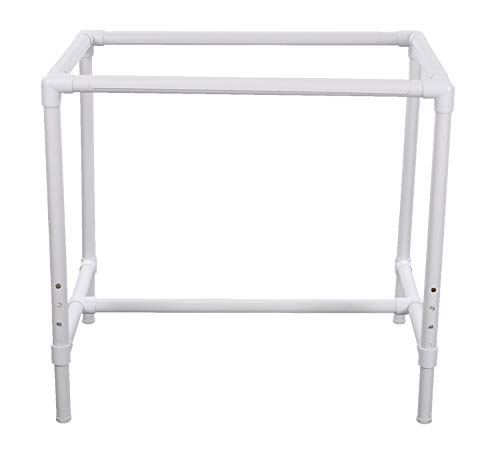
- 39" x 28" working area
- Height adjusts from 30" to 37"
- Includes 4 tension covers
Best For: Beginners wanting a larger adjustable floor frame
Lap Frame Choice
Dritz Quilt-N-Go 14 x 14-Inch Lap Frame

- Made for quilt-as-you-go or lap use
- Easy to assemble and disassemble
- Compact 14" x 14" size
Best For: Beginners who want a compact lap frame
Adjustable Stand Pick
Frank A. Edmunds Quilters Wonder! 18" Hoop

- 360-degree rotation and tilt
- Height-adjustable base for easy-chair quilting
- Folds down to 16" for storage
Best For: Beginners who want a hands-free hoop with a stand
Lightweight Starter Option
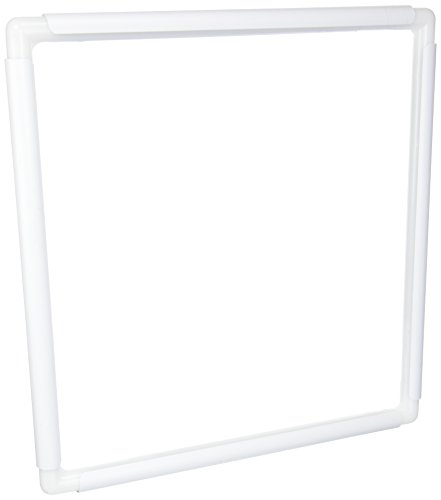
- PVC tubing makes it lighter and durable
- Clamp setup is straightforward
- Compact 17 x 17-inch square frame
Best For: Beginners working on small quilting projects
Full-Size Traditional Pick
Frank A. Edmunds American Legacy Quilt Frame

- Full-size 90 x 24-inch workspace
- Traditional quilting frame design
- Suited to keepsake quilting
Best For: Beginners who want a large, traditional frame
Machine-Learning Helper
Mini Quilter Beginner Hoop Quilting Frame

- Works with most 8" to 13" throat machines
- Up to 11 x 15 inches of quilting space
- Made to simplify learning machine quilting
Best For: Beginners learning longarm-style quilting on a home machine
Lap-Friendly Quilt-as-You-Go Frame
11-inch portable lap quilting frame

- Ideal for quilt-as-you-go or lap quilting
- Easy to assemble, disassemble, and store
- Compact 11" x 11" PVC frame
Best For: Beginners needing a small, portable quilting frame
Simple Tension Clamp Q-Snap Frame
17-inch adjustable clamp frame

- Gentle clamp design is simple to use
- Ribbed clamps help hold fabric tension
- Lightweight 17 x 17 PVC frame
Best For: Beginners who want easy tension control and a larger work area
Adjustable Beech Wood Scroll Frame
33-inch adjustable wood scroll frame

- Durable beech wood construction
- Adjustable for different project sizes
- Works for quilting, sewing, and embroidery
Best For: Beginners wanting a larger, adjustable wooden frame
Floor Frame Pick – Dritz Quilter's Floor Frame, Adjustable, White
If you’re comparing quilting frames for beginners, this Dritz floor frame is a practical step up from hand-held methods. The 39″ x 28″ working area gives you room to practice steady stitching, while the adjustable legs and height settings help you find a comfortable position whether you sit or stand.
Best For: Beginners who want a larger, adjustable floor frame with a straightforward setup.
Pros:
- Spacious 39″ x 28″ frame offers a comfortable working area
- Adjustable legs tilt to 4 angles for personalized stitching positions
- Height adjusts from 30″ to 37″ for seated or standing use
- Includes 4 fabric-tension covers to help keep layers smooth
Cons:
- Floor-frame design takes up more space than a lap option
- PVC construction may feel less traditional than wood frames
- Best suited to quilters who want a larger setup rather than ultra-portability
This is a strong beginner-friendly choice if you want more support than a simple hoop and appreciate adjustability. It balances size, portability, and ease of setup well for learning the basics of framed quilting.
Large Hoop Option – Frank A. Edmunds 16" x 27" Wood Hoop
For quilters who want a simple starting tool, this Frank A. Edmunds quilting hoop keeps the focus on the fabric rather than a complex frame. Its 16″ x 27″ oval size gives you a broad working area, making it a useful pick for beginners who prefer a basic hoop setup.
Best For: Beginners who want a lightweight, no-frills hoop for quilting or embroidery work.
Pros:
- Large 16″ x 27″ oval size provides a broad work area
- Very lightweight at 0.23 kg for easy handling
- Simple wood construction keeps the setup straightforward
Cons:
- Only the hoop is included, so there is no stand or frame base
- Less supportive than adjustable floor or lap frames
- Not as convenient for hands-free quilting
This is the most minimal option in the group, which can be a plus if you want an uncomplicated introduction to quilting. It works best when you already know you prefer hoop-style stitching and do not need extra support hardware.
Lap Frame Choice – Dritz Quilt-N-Go 14 x 14-Inch Lap Frame
If you want quilting frames for beginners that are easy to store and carry, this Dritz Quilt-N-Go lap frame is a very approachable choice. The 14″ x 14″ size and simple assembly make it a practical option for quilt-as-you-go projects or relaxed lap quilting.
Best For: Beginners who want a compact lap frame for quilt-as-you-go methods.
Pros:
- Ideal for the quilt-as-you-go or lap method of quilting
- Easy to assemble and disassemble for storage or travel
- Compact 14″ x 14″ size is easy to manage
- Lightweight PVC build keeps it portable
Cons:
- Small size offers less working area than larger frames
- Not as adjustable as a full floor frame
- May feel limiting for bigger quilting projects
This frame is a sensible beginner pick if you want something simple, portable, and low-commitment. It is especially useful when you value easy setup over maximum quilting surface.
Adjustable Stand Pick – Frank A. Edmunds Quilters Wonder! 18" Hoop
Among quilting frames for beginners, this Frank A. Edmunds setup stands out if you want a hoop plus stand instead of a basic hand hoop. It rotates and tilts 360 degrees, and the height-adjustable base lets you quilt more comfortably from an easy chair.
Best For: Beginners who want a hands-free hoop with an adjustable stand.
Pros:
- Rotates and tilts a full 360 degrees
- Height-adjustable base supports comfortable quilting in an easy chair
- Large knobs make adjustments easier
- Lightweight and portable, with fold-down storage to 16″
Cons:
- More involved than a basic hoop without a stand
- At 4.7 pounds, it is less minimal than smaller handheld options
- Rectangular stand design may take more room than a simple hoop
This is a good beginner choice if you want extra support and flexibility without moving to a full floor frame. The adjustable stand makes it easier to find a comfortable stitching position and keep working longer.
Lightweight Starter Option – Q-Snap Frame, 17 by 17-Inch
For quilting frames for beginners, this 17 x 17-inch Q-Snap frame offers a simple way to keep fabric stretched while you work. Its PVC tubing construction makes it lighter and more durable than many other materials, and the clamp setup is straightforward: lay the fabric over the frame and push the clamps down.
Best For: Beginners who want a compact, easy-to-handle frame for smaller quilting projects.
Pros:
- Lightweight PVC tubing construction
- Simple clamp-on fabric setup
- Compact 17 x 17-inch square size
- Made in the United States
Cons:
- Small size limits larger quilts
- Plastic build may not suit everyone
This is a practical entry-level frame if you want something easy to manage and quick to set up. It is best suited to smaller projects and beginners who value simplicity over size.
Full-Size Traditional Pick – Frank A. Edmunds American Legacy Quilt Frame
Among quilting frames for beginners, this full-size quilt frame stands out for quilters who want a traditional, large-format setup. The Frank A. Edmunds American Legacy Quilt Frame measures 90 x 24 inches, giving you a much larger workspace than compact beginner frames.
Best For: Beginners who want a full-size quilt frame for larger projects and a more traditional quilting setup.
Pros:
- Large 90 x 24-inch frame size
- Traditional full-size quilting format
- Clear keepsake quilting focus
Cons:
- Very large footprint for a home setup
- Less beginner-friendly for small spaces
- May be more frame than a new quilter needs
If you already know you want a large quilting surface, this frame delivers that scale right away. It is less about portability and more about providing a full-size place to work.
Machine-Learning Helper – Mini Quilter Beginner Hoop Quilting Frame
If you are comparing quilting frames for beginners, this table-top hoop quilting frame is designed to make machine quilting easier to learn. The Mini Quilter works with most sewing machines that have an 8-inch to 13-inch throat length and provides a quilting space up to 11 x 15 inches, making it a practical learning tool for small projects.
Best For: Beginners who want to learn longarm-style quilting with a domestic sewing machine.
Pros:
- Designed specifically for beginning quilters
- Works with most machines with 8″ to 13″ throat length
- Provides up to 11 x 15 inches of quilting space
- Built as a helpful tool for small quilting projects
Cons:
- Requires a compatible machine throat length
- Smaller quilting area than full-size frames
- Best suited to small projects rather than large quilts
This is the most guided option here for someone learning the basics of machine quilting on a home setup. It prioritizes ease of use and small-project practice over size or versatility.
Lap-Friendly Quilt-as-You-Go Frame – 11-inch portable lap quilting frame
If you’re comparing quilting frames for beginners, this Dritz Quilt-N-Go Lap Frame is a simple option for learning the quilt-as-you-go or lap method. Its 11 x 11-inch size keeps projects compact, and the frame is easy to assemble, take apart, and store when you’re done.
Best For: Beginners who want a small, portable frame for quilt-as-you-go or lap quilting.
Pros:
- Designed for the quilt-as-you-go or lap method
- Easy to assemble and disassemble for storage or travel
- Compact 11″ x 11″ size is manageable for first-time users
- Lightweight PVC construction
Cons:
- Small working area may not suit larger quilting projects
- PVC build is practical, but not a wood frame
This is a straightforward entry-level choice if you want a portable frame without a complicated setup. The size and simple design make it a friendly starting point for hands-on quilting practice.
Simple Tension Clamp Q-Snap Frame – 17-inch adjustable clamp frame
For quilting frames for beginners, this Q-Snap style frame offers a very simple clamp system that makes fabric setup more approachable. The PVC tubing keeps it light, and the ribbed clamps help hold tension while you adjust it by turning the clamps in or out.
Best For: New stitchers who want an easy-to-use, lightweight frame with adjustable fabric tension.
Pros:
- Gentle clamp design is simple to use
- Ribbed inner surface helps hold fabric tension
- PVC tubing makes it lighter and more durable than other materials
- Large 17 x 17 size gives more working space
Cons:
- Plastic construction may not appeal to buyers seeking wood
- Larger size may be less portable than a small lap frame
This frame stands out for its easy tension control and low-fuss setup. If you want a beginner-friendly option that still gives you room to work, it offers a practical middle ground.
Adjustable Beech Wood Scroll Frame – 33-inch adjustable wood scroll frame
If you want quilting frames for beginners with a more traditional feel, this beech wood scroll frame is built for stitching, sewing, quilting, and other large-area craft work. It arrives before assembly, but the instructions are clear, and the adjustable sizing helps you fit different project sizes.
Best For: Beginners who want a larger, adjustable wooden frame for quilting and related needlework.
Pros:
- Durable beech wood construction
- Adjustable sizing for different project needs
- Clear instructions for assembly and disassembly
- Suitable for quilting, cross stitch, beading, and sewing
Cons:
- Requires assembly before use
- Larger size may be more than needed for very small projects
This is a versatile pick if you want one frame that can handle more than just quilting. The wooden build and adjustable design make it a solid step up for beginners ready for a bigger workspace.
How We Picked the Best Quilting Frames for Beginners
We prioritized frames that are approachable for first-time users, easy to set up, and suited to common beginner projects. That means simple assembly, usable sizing, reliable fabric support, and formats that don’t require a large dedicated sewing room.
We also favored options that give beginners room to learn without overwhelming them with complex adjustments or oversized setups. For Quilting Frames for Beginners, ease of handling matters just as much as durability.
Quick Comparison: What Each Frame Style Is Best for
Lap frames are a smart starting point if you want portability and a smaller footprint. Hoop frames are helpful when you want basic tension control with minimal setup. Floor frames suit quilters who want more support and a hands-free position, while tabletop and machine-friendly frames are better if you plan to quilt at a desk or with a domestic machine.
Key Buying Factors for Quilting Frames for Beginners
Size and Workspace
Choose a frame that fits both your project and your room. Smaller frames are easier to store and learn on, while larger frames give you more working area but can be less convenient in tight spaces.
Stability and Tension
A good beginner frame should hold fabric securely without constant readjustment. Stable tension helps you stitch more evenly and reduces frustration while you build skill.
Setup and Portability
If you plan to move your frame often or store it between sessions, look for lightweight designs and simple assembly. Beginners usually benefit from tools that are quick to use, not complicated to adjust.
Compatibility with Your Quilting Style
Hand quilters often prefer lap, hoop, or floor frames that keep the quilt comfortable to work on. If you want machine support, make sure the frame is specifically designed for domestic machine quilting or tabletop use.
Who Should Buy Which Quilting Frames for Beginners?
If you are brand new and want the easiest entry point, start with a lap frame or compact hoop. If you have more room and want a steadier setup, a floor frame may be worth it. Crafters who split time between quilting, embroidery, and cross stitch may prefer a versatile hoop or scroll-style frame.
For most beginners, the best choice is the frame that matches your space, project size, and preferred stitching position. Start simple, then upgrade once you know whether you prefer portability, larger working area, or machine-assisted quilting.