Choosing the best fusible interfacing for appliqué can make the difference between crisp shapes, secure edges, and a finished project that stays smooth after washing. The right option depends on your fabric, project size, preferred application method, and desired hand.
This roundup compares 10 fusible webs and interfacings in sheets, rolls, and value packs, including lightweight choices for delicate fabrics and stronger options for quilting and craft projects.
Best 10 Fusible Interfacing for Applique Picks for 2026
Best Sewable Adhesive Value

- Lightweight and permanent
- Sewable without needle gumming
- 17-inch by 5.25-yard roll
Best For: Repeated fabric applique and quilting projects
Best Applique Sheet Pack

- Ten paper-backed sheets
- Designed for applique
- Hand- and machine-sewable
Best For: Small applique designs and neatly organized projects
Best Bulk Fabric Reinforcement
Medium-Weight Fusible Interfacing
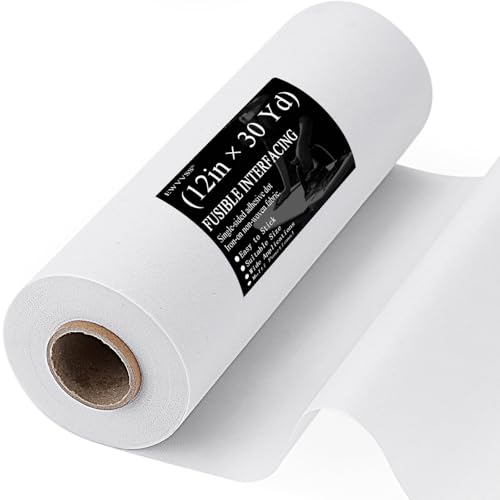
- 12-inch by 30-yard roll
- Polyester non-woven support
- Suitable for garments and accessories
Best For: Large projects needing fabric reinforcement and structure
Best Sheer Lightweight Bond

- Ultra-fine and sheer
- Soft double-sided bond
- Suitable for delicate and knit fabrics
Best For: Delicate applique requiring softness, drape, and flexibility
Bulk Project Support
PLANTIONAL Medium Weight Interfacing

- 30-yard roll for multiple projects
- Medium-weight polyester adds structure
- Single-sided iron-on application
Best For: Large garments, quilting, and repeated DIY projects
Lightweight Sewing Support
White Lightweight Fusible Interfacing

- Lightweight polyester preserves fabric drape
- 30-yard roll for varied projects
- Includes graphic ironing instructions
Best For: Lightweight applique, quilting, patchwork, and clothing
Applique Bonding Specialist
Transparia Double-Sided Fusible Web

- Purpose-built for fabric applique
- Paper-backed, double-sided adhesive
- Lightweight and machine washable
Best For: Fabric-to-fabric applique and no-sew embellishments
Best Ultra-Lightweight Option
HeatnBond Ultra Lightweight Interfacing
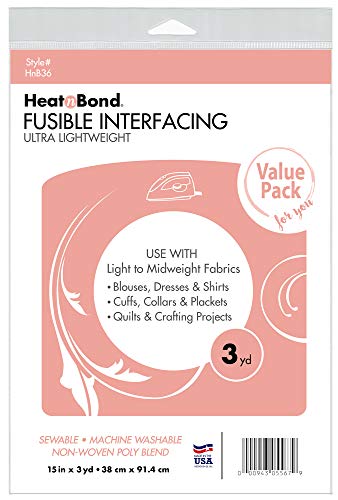
- Adds stability with minimal bulk
- Iron-on, one-sided adhesive
- 15-inch by 3-yard roll
Best For: Lightweight applique and delicate sewing projects
Best Sheet Format
Stitch Witchery Fusible Web Sheets

- 20 pre-cut 8-by-12-inch sheets
- Double-sided fabric bonding
- Suitable for applique and repairs
Best For: Small to medium applique and craft projects
Best for Large Projects
PLANTIONAL Light Weight Fusible Web

- Continuous 11.8-inch by 10-yard roll
- Double-sided paper-backed web
- Flexible, low-bulk finish
Best For: Large applique layouts and repeated craft projects
Best Sewable Adhesive Value – HeatnBond Lite
HeatnBond Lite is a practical fusible interfacing for applique when you want a lightweight, permanent bond that can still be sewn through. Its roll format is useful for repeated fabric projects and helps replace pinning or basting.
Best For: Fabric applique, quilting, and projects requiring a sewable double-sided adhesive.
Pros:
- Lightweight construction avoids extra stiffness or bulk.
- Permanent, heat-activated, double-sided adhesive.
- Can be stitched through without gumming up needles.
- Large 17-inch by 5.25-yard value-pack roll.
Cons:
- Requires ironing to activate the adhesive.
- Designed for fabric, so it may be less suitable for non-fabric materials.
Choose this roll when you need a reliable, sewable adhesive for multiple applique projects and want to minimize pinning and basting.
Best Applique Sheet Pack – FlexiFuse Lightweight Web
FlexiFuse offers a convenient sheet-based fusible interfacing for applique, with pre-cut 8-by-10.5-inch pieces that are easy to handle and position. The paper backing supports accurate application while the lightweight web remains sewable by hand or machine.
Best For: Small applique designs, patchwork details, and crafters who prefer individual sheets over a roll.
Pros:
- Designed and optimized specifically for applique.
- Paper-backed sheets are easy to cut and place.
- Double-sided adhesive bonds two items together.
- Supports hand and machine sewing with smooth stitching.
Cons:
- Sheet dimensions may be limiting for large applique pieces.
- Less convenient than a continuous roll for extensive projects.
This pack is a straightforward option for organized, smaller-scale applique work, especially when consistent sheet sizes make preparation easier.
Best Bulk Fabric Reinforcement – Medium-Weight Fusible Interfacing
This medium-weight fusible interfacing is a bulk-friendly choice for sewing projects that need reinforcement as well as applique support. The 12-inch by 30-yard roll can be trimmed for smaller pieces or used across larger garments and craft projects.
Best For: Large sewing projects, quilting, garments, handbags, collars, cuffs, pockets, and waistbands made from light- to medium-weight fabrics.
Pros:
- Generous 12-inch by 30-yard quantity.
- Polyester non-woven material provides structural support.
- Useful across garments, accessories, quilting, and crafts.
- Thin, lightweight profile is designed to blend into fabric.
Cons:
- Single-sided adhesive is less versatile than double-sided applique web.
- Requires a pressing cloth and careful application with the adhesive side down.
- Medium weight may add more structure than delicate applique requires.
Consider this roll when quantity and reinforcement matter most. It is particularly suited to projects where applique is part of a broader garment, accessory, or quilting build.
Best Sheer Lightweight Bond – Misswendyfuse Ultra-Fine Web
Misswendyfuse is a strong candidate for fusible interfacing for applique on delicate or stretchy materials. Its ultra-fine, sheer double-sided web is intended to create a soft bond without adding noticeable bulk, stiffness, or visible coverage through lightweight fabrics.
Best For: Delicate applique, quilting, patches, trims, embellishments, knits, tulle, organza, and projects where softness and drape must be preserved.
Pros:
- Ultra-fine web helps maintain a soft hand and fabric drape.
- Sheer construction is designed not to show through lightweight fabrics.
- Double-sided fusible bond works with many materials, including fabric, paper, craft foam, and leather.
- Designed to accommodate stretch and movement in knit fabrics.
Cons:
- Application requires careful handling between nonstick surfaces.
- Its lightweight design may provide less structural reinforcement than medium-weight interfacing.
- Incorrect fusing may leave residue, so following the intended process is important.
This is the specialized pick for applique where appearance, flexibility, and fabric movement are priorities. The five-yard, 12-inch-wide format offers useful coverage without sacrificing a delicate finish.
Bulk Project Support – PLANTIONAL Medium Weight Interfacing
If you need fusible interfacing for applique along with enough material for repeated projects, this medium-weight PLANTIONAL roll offers a generous 16.5-inch by 30-yard format. Its single-sided, heat-activated adhesive is designed for iron-on application and adds structure without making the process complicated.
Best For: Large garments, quilting, home décor, and crafters who want a substantial roll for multiple projects.
Pros:
- Generous 30-yard length supports extensive or repeated projects.
- Medium-weight polyester adds body and structure to fabric.
- Single-sided adhesive allows straightforward iron-on application.
- Designed to retain shape through washing and regular use.
Cons:
- Medium-weight construction may be more support than delicate applique requires.
- The 16.5-inch width may require piecing for especially wide fabric panels.
This is a practical bulk option when durability and structure matter more than an ultralight finish. It is especially useful for makers working across several sewing, quilting, or décor projects.
Lightweight Sewing Support – White Lightweight Fusible Interfacing
For fusible interfacing for applique where you want reinforcement without losing a fabric’s natural drape, this lightweight white polyester interfacing is a flexible choice. The 11.6-inch by 30-yard roll is easy to cut, while the single-sided adhesive is applied with an iron and a protective cotton cloth.
Best For: Lightweight sewing, quilting, patchwork, clothing reinforcement, and fabric accessories.
Pros:
- Lightweight material helps preserve soft fabric drape.
- 30-yard length suits multiple sewing and craft projects.
- Described as wrinkle-resistant, stretch-resistant, and washable.
- Includes graphic instructions for a quicker start.
Cons:
- The 11.6-inch width may be limiting for larger pieces.
- Requires a cotton cloth during ironing rather than direct-iron application.
- Lightweight support may not suit projects needing substantial structure.
This roll is a good fit when you want a softer, less bulky layer for applique-related sewing and general fabric reinforcement. Its stated wash resistance also makes it suitable for regularly used finished items.
Applique Bonding Specialist – Transparia Double-Sided Fusible Web
When your priority is fusible interfacing for applique that bonds one fabric directly to another, the Transparia double-sided fusible web is purpose-built for that task. Its paper backing helps with placement, and the light, sheer web is designed to create a firm bond without adding much bulk.
Best For: Fabric applique, no-sew embellishments, hemming, and lightweight fabric crafts.
Pros:
- Double-sided adhesive bonds fabric to fabric.
- Paper backing supports a peel-and-fuse application process.
- Lightweight, sheer construction helps preserve a soft feel.
- Bond is described as machine washable and durable after setting.
Cons:
- The 10-yard roll is shorter than the 30-yard options in this roundup.
- As a bonding web, it is intended to join fabrics rather than provide broad structural support.
- Requires two ironing stages with cooling and backing removal between them.
This is the most directly applique-focused option here. Choose it for attaching decorative fabric shapes or creating bonded fabric crafts, rather than for reinforcing an entire garment or adding general body to fabric.
Best Ultra-Lightweight Option – HeatnBond Ultra Lightweight Interfacing
For lightweight applique projects that need added stability without much bulk, this fusible interfacing for applique offers a practical iron-on solution. Its non-woven, one-sided adhesive design is suited to delicate fabrics and can be applied with a household iron.
Best For: Lightweight fabric applique, quilting blocks, blouses, dresses, collars, and other projects where maintaining softness and drape matters.
Pros:
- Ultra-lightweight construction adds stability without significantly compromising drape.
- One-sided fusible adhesive avoids basting, pinning, or additional sewing during application.
- Useful for lightweight to midweight fabrics, applique, quilting, and fabric crafts.
- Generous 15-inch by 3-yard roll is suitable for multiple projects.
Cons:
- Designed primarily for lightweight to midweight fabrics, so it may not suit heavier applications.
- One-sided adhesive stabilizes fabric but does not bond two separate fabric layers together.
This is the most suitable choice here when your applique needs gentle reinforcement rather than a strong two-sided bond. Its washable, dry-cleanable design and minimal-shrinkage construction also support finished garments and reusable craft projects.
Best Sheet Format – Stitch Witchery Fusible Web Sheets
If you prefer pre-cut pieces for applique, these medium-weight fusible web sheets provide a convenient format. The double-sided adhesive is designed to bond fabric to fabric or other porous surfaces without requiring sewing for many craft applications.
Best For: Fabric applique, DIY crafts, hems, repairs, and projects that benefit from manageable 8-by-12-inch paper-backed sheets.
Pros:
- Includes 20 paper-backed sheets sized 8 by 12 inches.
- Double-sided web can bond fabric to fabric, wood, or cardboard.
- Designed to preserve a soft, malleable feel without adding substantial bulk.
- Creates a durable bond intended to remain secure after washing.
Cons:
- Sheet format may be less convenient than a roll for very large applique designs.
- Application requires heat in the stated 275–320°F range, so fabric compatibility should be considered.
These sheets are a practical pick when applique requires adhesive on both sides and you want pieces that are easy to handle. They also offer flexibility for repairs and general fabric crafts beyond applique.
Best for Large Projects – PLANTIONAL Light Weight Fusible Web
For larger applique layouts, this 11.8-inch by 10-yard roll provides substantial coverage in a continuous format. Its paper-backed, double-sided fusible web is intended to bond fabric to fabric or porous surfaces while retaining a natural, flexible hand.
Best For: Large applique designs, fabric art, DIY crafts, and projects requiring a continuous roll of lightweight bonding web.
Pros:
- Ten-yard roll offers more continuous material for broad or repeated projects.
- Double-sided adhesive is designed for fabric-to-fabric and porous-surface bonding.
- Paper backing supports handling and positioning before fusing.
- Designed to remain sheer, flexible, and non-stiff after bonding.
Cons:
- The roll format may require measuring and cutting for smaller applique pieces.
- It is listed as lightweight or medium weight, so it may not provide heavy structural support.
This option makes the most sense when coverage and continuous length matter more than pre-cut convenience. It combines a broad roll with a two-sided adhesive surface for applique and other fabric craft applications.
How We Picked the Best Fusible Interfacing for Applique
We focused on the factors that matter most during appliqué: bonding strength, weight, format, ease of cutting and positioning, and suitability for different fabrics. The selection includes paper-backed fusible webs, non-woven iron-on interfacing, double-sided products, precut sheets, and long rolls. Because appliqué projects vary widely, no single product is ideal for every use.
We also considered practical value. Small sheet packs can be convenient for occasional projects and testing, while multi-yard rolls are more economical for quilts, apparel, classroom work, and repeated crafting. Always follow the manufacturer’s temperature, pressure, and pressing-time instructions, and test on a fabric scrap first.
Quick Comparison
| Best For | What to Look For | Typical Format |
|---|---|---|
| Small appliqué projects | Precut sheets and easy paper backing | 8-by-10.5-inch or 8-by-12-inch sheets |
| Quilts and repeated projects | Long rolls with consistent width | 5 to 30 yards |
| Lightweight garments | Thin, flexible, low-bulk bonding | Ultra-light or lightweight web |
| Firm fabric shapes | Medium-weight non-woven support | 12- to 16.5-inch rolls |
Key Buying Factors for Fusible Interfacing for Appliqué
Weight and Fabric Compatibility
Lightweight and ultra-lightweight webs are usually the safest choice for shirts, blouses, thin cotton, and projects where flexibility matters. Medium-weight interfacing provides more body for quilt blocks, bags, home décor, and larger appliqué pieces, but it can make soft fabrics feel stiff. Match the interfacing to the base fabric rather than choosing the strongest bond automatically.
Single-Sided or Double-Sided Adhesive
Double-sided fusible web is designed to adhere an appliqué piece to the background fabric, making it useful for raw-edge appliqué and layered designs. Single-sided iron-on interfacing may be better when you need to stabilize the wrong side of fabric without permanently bonding two layers. Paper backing can also make tracing, cutting, and placement easier.
Sheets, Yardage, and Width
Sheets reduce measuring and waste for small motifs. Rolls offer better cost efficiency and flexibility for large designs, borders, and multiple projects. Check the width before buying: wider material may be more convenient for large shapes, while narrower rolls can be easier to handle and store.
Application and Care
Look for clear pressing instructions and use a pressing cloth when recommended. Avoid sliding the iron, which can shift layers or distort shapes; press and lift instead. After bonding, consider stitching around appliqué edges when the project needs extra durability or a decorative finish.
Who Should Buy Which Fusible Interfacing for Applique?
- Occasional crafters: Choose precut sheets or a small value pack for convenience and minimal leftover material.
- Quilters: Select a medium-weight or dependable double-sided web in a roll for repeated motifs and larger projects.
- Garment makers: Favor lightweight or ultra-lightweight interfacing that preserves drape and minimizes bulk.
- Teachers and frequent makers: Buy a longer roll to reduce per-project cost and keep a consistent material on hand.
- Beginners: Start with a paper-backed product, test it on scraps, and choose a weight close to the fabric being bonded.